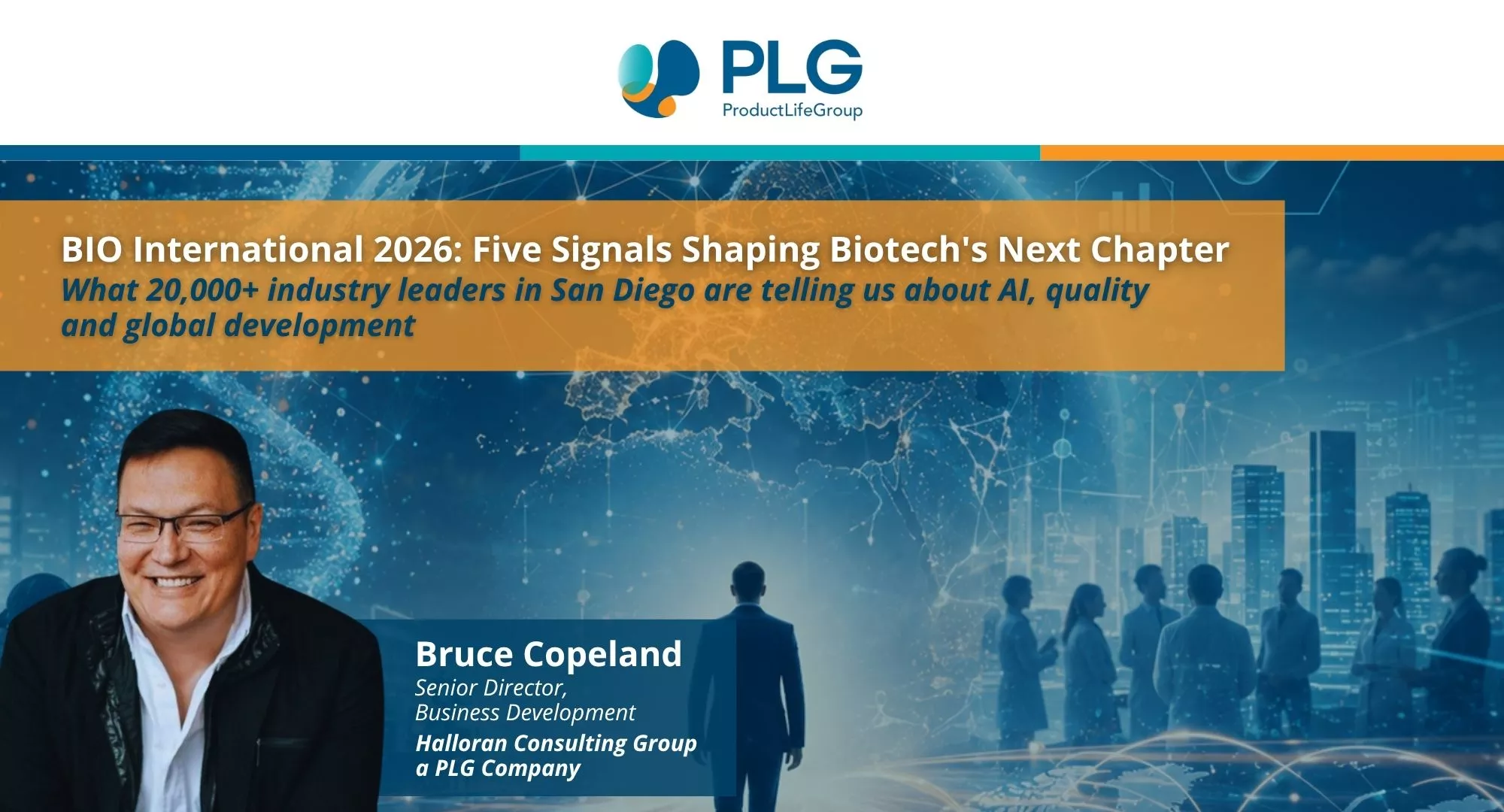
BIO International 2026: Five Industry Themes That Will Shape the Next Chapter of Biotechnology
10 july 2026
Each year, the BIO International Convention serves as more than the biotechnology industry’s largest networking event. It provides a valuable opportunity to understand where innovation is headed and how the life sciences industry continues to evolve. With more than 20,000 attendees, over 1,500 exhibitors, and hundreds of educational sessions, BIO International 2026 in San Diego brought together biotechnology companies, pharmaceutical organizations, investors, regulators, researchers, and service providers from around the world.
The biggest takeaway from BIO International 2026 wasn’t a single scientific breakthrough. It was a shift in mindset. Across partnering meetings, investor discussions, and educational sessions, biotechnology leaders focused less on what could be developed and more on how to develop it faster, smarter, and with less risk.
Innovation Across the Exhibit Hall
The exhibit hall reflected both the diversity and maturity of today’s biotechnology industry. Established pharmaceutical companies shared the floor with innovative startup organizations developing new approaches across oncology, rare diseases, genome editing, radiopharmaceuticals, advanced manufacturing, digital health, artificial intelligence, and precision medicine.
Equally impressive were the international pavilions representing innovation ecosystems from around the world. Countries and regional organizations showcased not only emerging biotechnology companies but also the infrastructure, investment communities, incubators, research institutions, and economic development organizations supporting continued growth. These exhibits reinforced that biotechnology innovation has become increasingly global, creating new opportunities for collaboration across borders.
Artificial Intelligence Is Becoming Part of Everyday Drug Development
Artificial intelligence remained a dominant topic throughout the conference. Unlike previous years, the discussion was no longer focused on future possibilities. Companies are actively incorporating artificial intelligence into everyday operations to improve efficiency while supporting better decision-making across the product development process.
The most common applications discussed included:
- Clinical development and trial optimization
- Regulatory operations and document authoring
- Medical writing
- Pharmacovigilance
- Manufacturing analytics
- Quality management
- Drug discovery and target identification
One message was remarkably consistent throughout the sessions. Artificial intelligence is intended to strengthen the work of scientists, clinicians, regulatory professionals, and quality experts rather than replace them. Organizations that thoughtfully integrate these technologies into established processes will be better positioned to improve efficiency while maintaining compliance, scientific integrity, and regulatory confidence.
Organizations Are Seeking Strategic Partners
Another recurring theme was the desire to simplify how development programs are supported. Perhaps the most consistent message from emerging biotech organizations is the desire to reduce complexity. Rather than coordinating with multiple vendors, sponsors are looking for strategic partners capable of supporting multiple disciplines and operational needs under one model.
Discussions frequently centered on integrated regulatory strategy, clinical quality, CMC, medical writing, regulatory operations, inspection readiness, and program management. As more development programs pursue simultaneous global submissions, companies increasingly value partners who can provide continuity across regions while supporting every stage of the product life cycle.
Investment Activity Is Improving, but Capital Efficiency Still Matters
The investment environment appeared noticeably stronger than it has been in recent years. Conversations throughout the conference reflected renewed enthusiasm for several therapeutic and technological areas, including oncology, cell and gene therapy, rare diseases, precision medicine, messenger RNA technologies, and next- generation biologics.
Despite this renewed optimism, investors continue to place significant emphasis on operational discipline. Strong science alone is no longer enough. Companies are expected to demonstrate clear regulatory strategies, effective risk management, realistic development plans, and the ability to reach meaningful milestones while making efficient use of available capital. Execution has become an important competitive advantage.
Quality Is Moving Earlier in Development
One of the most encouraging trends discussed during BIO was the growing recognition that quality should begin long before products approach commercialization. Sponsors increasingly understand that establishing quality systems early helps reduce regulatory risk while creating a stronger foundation for clinical development.
Several quality priorities surfaced repeatedly during conversations with sponsors:
- Early implementation of Quality Management Systems
- Clinical Quality Assurance
- Vendor qualification and oversight
- Risk-based auditing
- Inspection readiness
- Digital quality platforms
Rather than viewing these activities as regulatory requirements to address later, companies are treating quality as an essential component of their overall development strategy.
Global Development Has Become the Standard
Perhaps the most significant shift was the growing expectation that biotechnology companies will think globally from the earliest stages of development. Many organizations described regulatory strategies that included the United States, Europe, Canada, Japan, Australia, and other international markets from the outset, instead of expanding after initial approval.
Educational sessions reinforced the importance of aligning regulatory strategies across health authorities while recognizing the unique expectations of each region. For many emerging biotechnology companies, global development planning has become the standard rather than the exception.
Looking Ahead
BIO International 2026 reinforced a clear reality: the future of biotechnology will be shaped not only by scientific innovation, but by an organization’s ability to execute. While breakthrough therapies continue to emerge, success increasingly depends on building the regulatory, quality, clinical, and operational foundations needed to bring those innovations to patients efficiently and at scale.
Across the conference, one theme surfaced repeatedly: companies are seeking ways to accelerate development without increasing risk. Whether through artificial intelligence, global development strategies, stronger quality systems, or more integrated operating models, organizations are looking for practical approaches to navigate complexity while maintaining momentum.
For ProductLife Group, these conversations reinforced the growing need for connected expertise across the product life cycle. As development programs become more global and regulatory expectations continue to evolve, companies benefit from partners who can help align strategy with execution and provide support across critical functions.
The discussions in San Diego highlighted an industry that is both ambitious and pragmatic. Focused not only on what is possible, but on what it takes to turn promising science into meaningful patient impact. That focus on execution, collaboration, and global thinking will continue to shape the next chapter of biotechnology.
Register to our news and events
Go to our Events to register
Go to our News to get insights